
Diabetes
Introduction | What is diabetes? | Symptoms of Diabetes | Associated Health Risks | Prevention for a better life | Supporting someone with diabetes | Additional Resources
Introduction
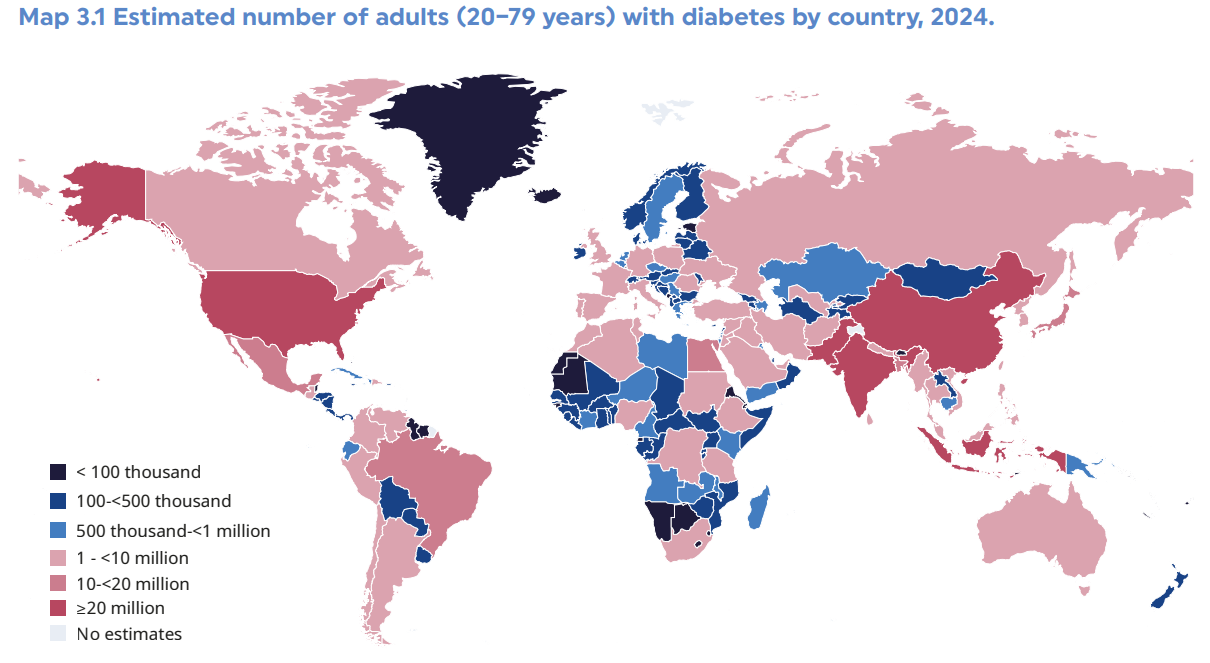
According to the WHO, the number of people in the world living with diabetes has risen from 200 million in 1990 to 830 million in 2022. They estimate that diabetes will be the seventh leading cause of death globally by 2030.
Diabetes is one of the four main noncommunicable diseases – along with cancer, myocardial infarction or stroke, and lung disease – causing 1.7 million deaths each year in the Eastern Mediterranean Region.
Diabetes is a hidden pandemic in most regions of the world, with an estimated half of all cases remaining undiagnosed.
Figures show that the global burden of this disease on individuals, families, and countries continues to rise globally. The latest “diabetes atlas” (2025) from the International Diabetes Foundation (IDF) reports that 11.1% – or 1 in 9 – of the adult population aged 20-79 years old is living with diabetes, and more than 4 in 10 are unaware that they have it.
Return to top.
What is diabetes ?
Diabetes is a chronic disease that occurs either when the pancreas does not produce enough insulin or when the body cannot effectively use the insulin it produces. Insulin is a hormone that regulates blood sugar levels.
Hyperglycaemia, or high blood sugar, is a common effect of uncontrolled diabetes which, over time, leads to severe damage to many systems in the body, especially nerves and blood vessels.
There are two principal types of diabetes:
Type 1 diabetes
Type 1 diabetes (also known as insulin-dependent, juvenile or early infantile diabetes) is characterised by deficient insulin production and requires daily insulin administration.
In 2017, 9 million people had type 1 diabetes. The majority of them live in high-income countries. Neither its cause nor the means of preventing it are known.
Type 2 diabetes
Type 2 diabetes affects how your body uses sugar (glucose) for energy. This prevents the body from using insulin properly, which can lead to high blood sugar levels if left untreated.
Type 2 diabetes is often preventable. Factors contributing to the development of type 2 diabetes include being overweight, lack of exercise, and genetics.
Early diagnosis is important to prevent the worst effects of type 2 diabetes. The best way to detect diabetes early is to have regular check-ups and blood tests with a healthcare professional.
Gestational diabetes
Gestational diabetes occurs during pregnancy, and is characterised by a hyperglycaemia with blood glucose values higher than normal but below those caused by the other forms of diabetes.
Women with gestational diabetes are at increased risk of complications during pregnancy and childbirth. These women and possibly their children are also at increased risk for type 2 diabetes in the future.
Gestational diabetes is diagnosed by prenatal screening, rather than by reported symptoms.
DID YOU KNOW Sugar is one of the body's main "fuels" (=source of energy). It is preferably consumed by the muscles (80%) and the brain (20%). The terms sugars, carbohydrates or carbohydrates have the same meaning.
Return to top.
Symptoms of diabetes
Symptoms of diabetes include:
- Feeling thirsty all the time
- Needing to urinate more often than usual
- Feeling very fatigued
- Losing weight without trying to
- Blurry vision
Symptoms of type 2 diabetes may occur suddenly. In type 2 diabetes, the symptoms can be mild and may take many years to be noticed.
Most often, we do not feel the symptoms of hyperglycaemia. If they persist for several months or years, they can lead to complications. This is why controlling your blood sugar is an essential step to preserve your health.
Return to top.
Associated health risks
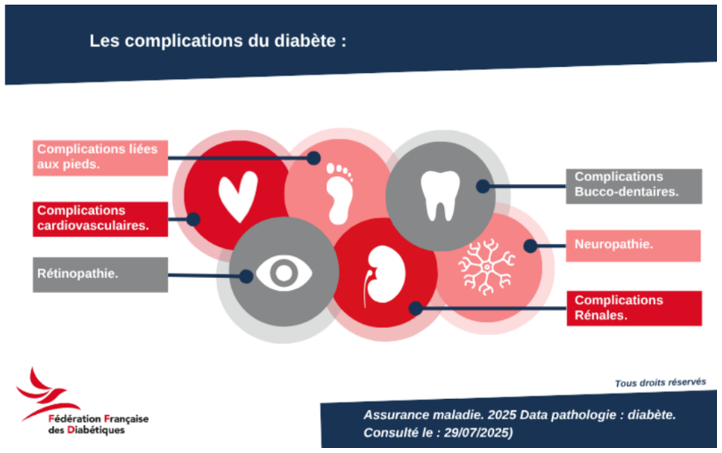
Over time, diabetes can damage the blood vessels in the heart, eyes, kidneys, and nerves. People with diabetes are at a higher risk of health problems such as heart attack, stroke, and kidney failure.
Diabetes can lead to permanent vision loss by damaging the blood vessels in the eyes.
Many people with diabetes develop foot problems due to nerve damage and poor blood circulation. This can cause foot ulcers and, in extreme cases, lead to amputations.
Return to top.
Prevention for a better life
Lifestyle changes are the best way to prevent, delay and improve living with diabetes, as well as establishing good habits to support your overall health. Changes to consider include:
- Regular physical activity: even 30 minutes of brisk walking five times per week can greatly improve insulin sensitivity.
- Balanced diet: a diet rich in fruits, vegetables, whole grains and legumes helps to stabilise blood sugar levels.
- Stopping smoking: can prevent or delay the onset of type 2 diabetes.
Other lifestyle factors like quality sleep, good stress management, and maintaining active social connections all contribute to a better metabolic balance.
Early detection is fundamental to ensuring the best possible outcomes for those with type-2 diabetes. A simple annual measurement of glucose levels is often enough to detect latent or early-onset diabetes.
Return to top.
Supporting someone with diabetes
Thanks to medical and technological advances, living with diabetes no longer prevents you from leading an active and fulfilling life. If you have diabetes or are supporting somebody with the condition, the following information may help you.
Additional medical care may be needed to treat the effects of diabetes:
- foot care to treat ulcers
- screening and treatment for kidney disease
- eye exams to screen for retinopathy (which causes blindness).
Support in the region
Consult your primary care physician or consult Resources for Finding Medical Care | HSE unit at CERN
The following organisations may also be able to offer help, support or advice.
❗❗There is a free screening event in Geneva at the Jonction Velodrome from 9.30 until 18.00 on the 4, 5 and 6 June 2026. See more information here!❗❗
Return to top.
Additional Resources
- WHO: Diabetes Factsheet
- WHO: Preventing and Managing Diabetes
- International Diabetes Federation: Diabetes Factsheet
- International Diabetes Federation: Prevention
- GHO Lausanne: Diabète et bien-être : un équilibre essentiel pour la santé
- DiabeteVaud
- Living with someone with diabetes: vivre-avec-diabete.pdf
- AMELI France: Fundamentals of diet for diabetics (French)
Return to top.